Search Results for "27 Inch UltraGear™ evo AI GM9" – Page 3
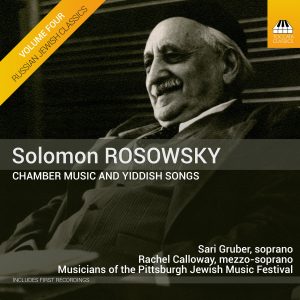
Solomon Rosowsky: Chamber Music and Yiddish Songs
This fourth album in the Toccata ‘Russian Jewish Classics’ series is devoted to one of the founding members of the influential Society for Jewish Folk Music in St Petersburg, Solomon Rosowsky (1878–1962). The son of a prominent cantor, Rosowsky was an eminent scholar of synagogue chant in his own right, but his instrumental and vocal chamber music reveals much wider influences, ancient and modern. From a whirling showpiece for piano trio via tender lullabies to the Mediterranean desert evoked in the Biblical drama Jacob and Rachel, Rosowsky’s music embraces the rich and varied heritage of the Jewish people.
Musicians of the Pittsburgh Jewish Music Festival
Sari Gruber, soprano (Track 10)
Rachel Calloway, mezzo-soprano (Tracks 4 – 6, 14)
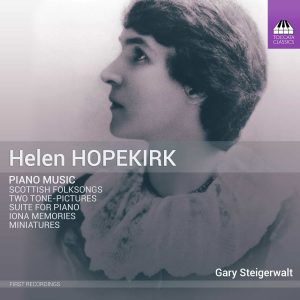
Helen Hopekirk: Piano Music
The Scottish musician Helen Hopekirk (1856–1945), regarded as one of the major concert pianists of her generation, also made a lasting contribution as a piano teacher in Boston after her emigration in 1897. As a composer, she forged an intriguing path by turning to the music of her native country as the wellspring of her creativity: the early pieces can sound like Brahms in the Highlands, and her later works marry Debussyan Impressionism with Hebridean folk-music, to evocative, touching and exhilarating effect.
Gary Steigerwalt, piano
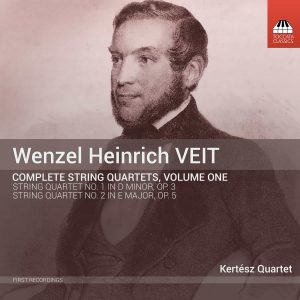
Wenzel Heinrich Veit: Complete String Quartets, Volume One
The German-Bohemian composer Wenzel Heinrich Veit (1806–64) – Václav Jindřich Veit in Czech – is one of music’s most unjustly forgotten figures. As these first recordings of his four string quartets will show, he is not only the link between the Bohemian composers of the end of the Classical period and the wave of Czech Romanticism that began with Smetana but also an outstanding composer in his own right. His quartets trace the stylistic evolution of his time: they emerge from a debt to Haydn and Beethoven and embrace Mendelssohn and Schumann on their way to pre-echoes of Dvořák.
Kertész Quartet, playing on original instruments
Katalin Kertész and Jean Paterson, violins
Nichola Blakey, viola
Cressida Nash, cello
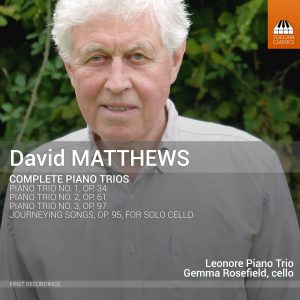
David Matthews: Complete Piano Trios
One reviewer described David Matthews’ string quartets as ‘musical thinking of the highest order and quartet writing in the great tradition of Beethoven, Bartók, Britten, and Tippett’ – influences Matthews readily acknowledges. These three piano trios evoke two other masters, since they have something of the drama of Shostakovich and the lyrical intensity of Vaughan Williams – all elements drawn together in Matthews’ own voice to make these works some of the most moving chamber music of recent years.
Leonore Piano Trio (Tracks 1-10)
Gemma Rosefield, cello (Tracks 11-13)
Too Many Symphonies? — Part two: Fridrich Bruk
Having traversed the symphonies of Robert Keeley in Part One of this brief survey (Too Many Symphonies – Part One – posted on 9 March…
Ronald Stevenson: all-too-brief encounters, and an astounding legacy.
I met Ronald only once. I simply came to his music too late in his life — which came to a peaceful end on 28…
Freda Swain: A Composer Unboxed
The composer David Hackbridge Johnson reacts with surprise to the piano music of the unknown Freda Swain (1902–85) – whose music, after her death, spent…
Toccata e due CD: Rediscovering Early Martinů – Part II
The publication of Martinů and the Symphony in 2010 brought a few unexpected opportunities my way. Even before the book appeared, I had taken part…
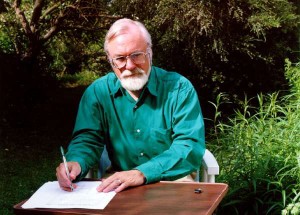
John McCabe in his Own Words
John’s death on 13 February was not unexpected – indeed, he had given his brain tumour a good fight and long outlived his doctors’ prognoses.…
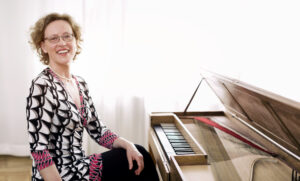
Irmela Roelcke on Cloches et Carillons
My concert and recording project, Cloches et Carillons, impressed on me how much basic acoustic characteristics have influenced my most recent artistic interests and inclinations.…
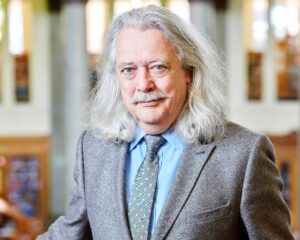
Mixing the Classical and the Popular
The urge to compose music arose after I joined a rock group in my teenage years. Although I was later classically trained, I continued to…
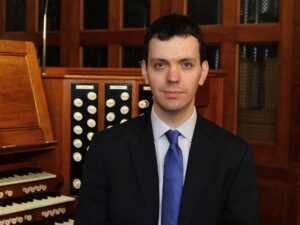
Elisabeth Lutyens’ Complete Organ Music
Elisabeth Lutyens is not a composer usually associated with the organ. For most of her life she inhabited a musical world which was very much…
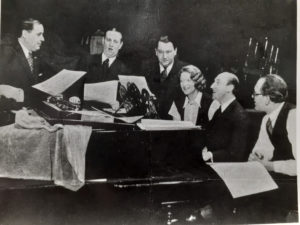
A Symphony by Mischa Spoliansky
It may come as a surprise to many that Mischa Spoliansky, the composer of the sly and witty cabaret songs that helped to launch the…

Stravinsky and Me
The longest piece on the new Toccata Classics album of my choral works is A Lenten Cantata. It was premiered in 2017 with organ and…
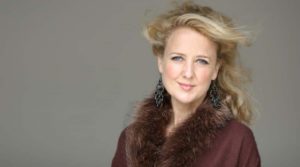
Remembering Taryn Fiebig
It is with tremendous sadness that I write today about the passing of the Australian soprano, Taryn Fiebig, on 20 March 2021. Taryn was a…
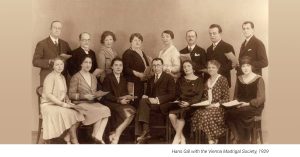
Songs of Love, Sorrow and Satire (And Not Forgetting the Baboon!): Recording Hans Gál’s Music for Voices
One of the proudest, happiest and most surreal moments in my singing career to date has been uttering the final notes of a choral concert…