Marc’Antonio Ingegneri, Volume Six: The Teacher and His Disciples
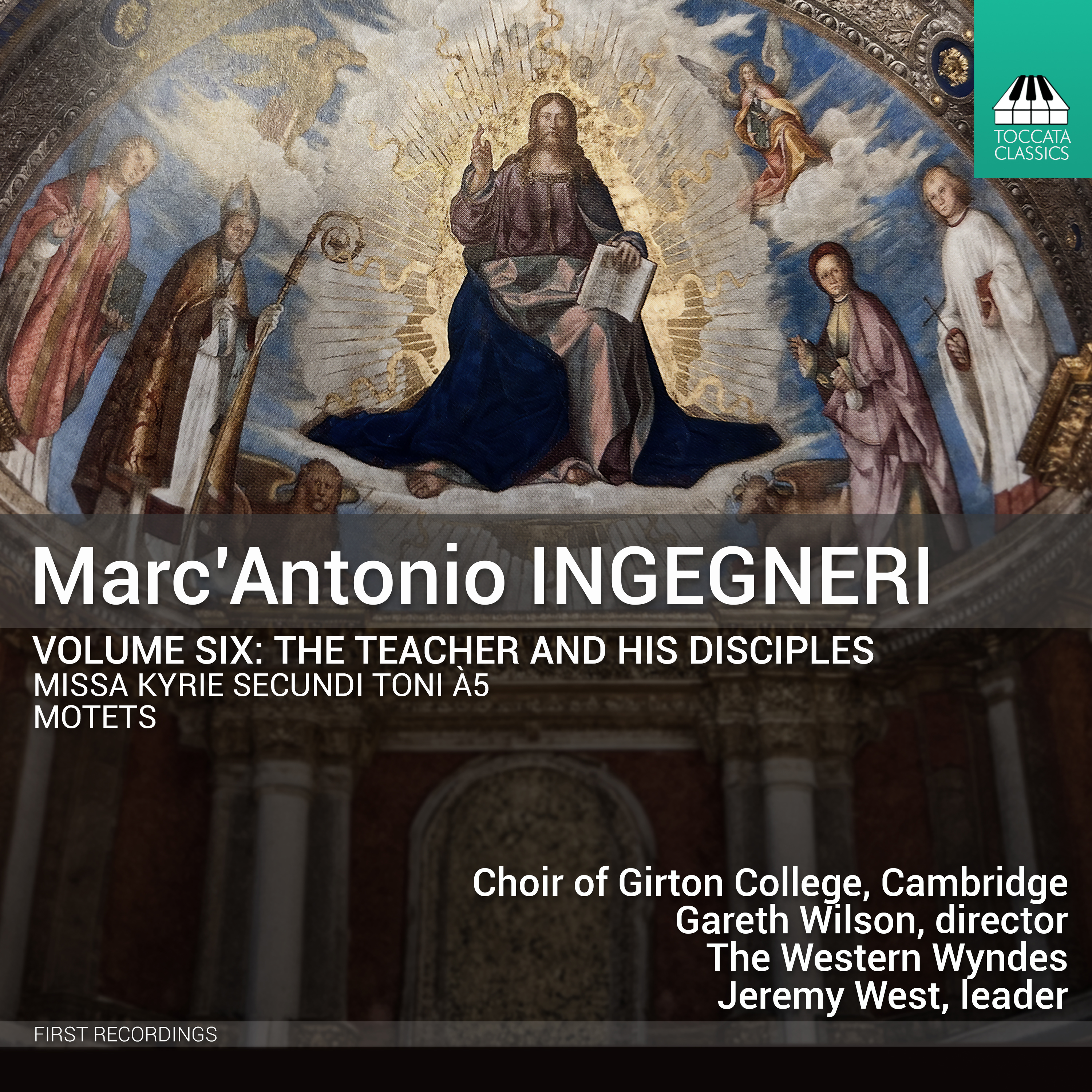
In this sixth album the Choir of Girton College, Cambridge, continues its pioneering exploration of the music of the Italian Renaissance master Marc’Antonio Ingegneri (c. 1535/36–92) with a programme exploring in music Christ’s relationship with his disciples – twelve motets, symbolising the twelve disciples, framing the five-voice Missa Kyrie Secundi Toni, all in their first recordings. These further discoveries confirm Ingegneri’s position as one of the masters of his age, writing music as expressive and moving as his better-known contemporaries Palestrina and Lassus – and just as individual.
Choir of Girton College, Cambridge
Gareth Wilson, director
The Western Wyndes
Jeremy West, leader
Listen To This Recording:
- Ego sum pastor bonus à6 (4:14)
- Sancti Dei omnes à5 (3:44)
- Pueri Hebraeorum à5 (3:55)
Missa Kyrie Secundi Toni à5
- Kyrie (4:20)
- Gloria (6:25)
- Lex Dimini à5 (3:21)
- Unus ex duobus à6 (4:04)
Missa Kyrie Secundi Toni à5
- Credo (9:24)
- Quando a’bei vostr’occhi i dolci sguardi (organ) (2:35)
Missa Kyrie Secundi Toni à5
- Sanctus – Benedictus (6:23)
- Pater noster à4 (5:11)
Missa Kyrie Secundi Toni à5
- Agnus Dei I (2:03)
- Agnus Dei II (2:32)
- O quam suavis à6 (4:19)
- Ego sum panis vivus à6 (2:07)
- Parto da voi (organ) (2:06)
- Surrexit pastor bonus à6 (2:17)
- Iubilate Deo omnis terra à6 (3:37)
- Estote fortes in bello à6 (2:16)
- Ascendit Deus à6 (2:44)
First Recordings
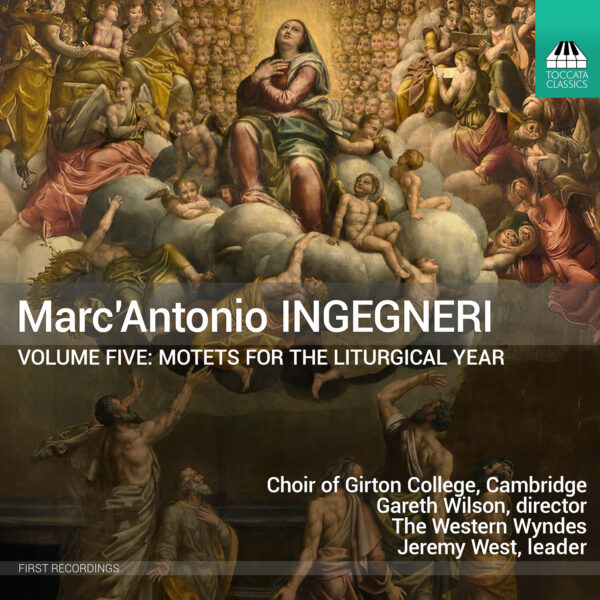
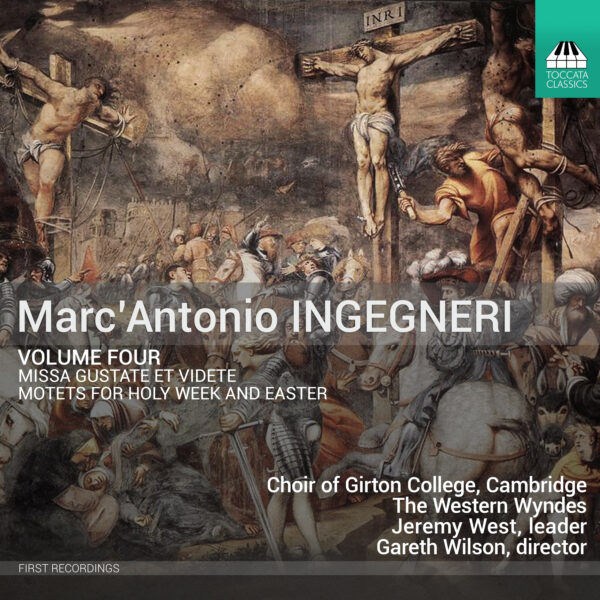
Farhad Poupel :
‘Totes les obres han estat enregistrades per primera vegada, fet que reforça encara més el valor musicològic del projecte.
La música d’Ingegneri sorprèn per la seva capacitat de combinar l’equilibri formal propi del Renaixement amb una notable intensitat expressiva. Els motets revelen una escriptura refinada, rica en contrastos de textura i en subtileses contrapuntístiques, però sempre orientada a la claredat del text. La missa central del programa ofereix una arquitectura sòlida i coherent, en què les diferents seccions es desenvolupen amb naturalitat i una fluïdesa que evita qualsevol sensació d’academicisme.
Gareth Wilson dirigeix aquest repertori amb un coneixement profund de l’estil i amb una atenció constant al fraseig. El Cor del Girton College de Cambridge mostra una sonoritat homogènia, una dicció precisa i una notable flexibilitat per adaptar-se a la varietat de matisos espirituals que conté l’obra. El conjunt vocal The Western Wyndes contribueix a enriquir la paleta sonora sense alterar la transparència del conjunt, mentre que les intervencions organístiques de Gabriel Kennedy i Ben Nolan destaquen per la seva discreció i elegància.
Especialment remarcable és la manera com els intèrprets saben mantenir l’interès al llarg d’un repertori que podria semblar homogeni a primera vista. Cada motet presenta una personalitat pròpia, des de la serenor contemplativa de Pater noster fins a l’energia joiosa d’Iubilate Deo omnis terra o Ascendit Deus. Així, la successió de les peces permet apreciar la imaginació d’un compositor que durant segles ha quedat eclipsat per figures més cèlebres del seu temps.
Aquest enregistrament permet valorar Ingegneri no només com una figura històrica, sinó també com un compositor de notable personalitat musical. Les seves obres tenen prou força artística per sostenir-se per elles mateixes davant del repertori renaixentista més freqüent. El treball de Gareth Wilson i dels seus músics continua aportant noves proves de la qualitat d’un creador que mereix ocupar un lloc molt més visible en la història de la música sacra europea.’
English translation:
‘All the works have been recorded for the first time, which further reinforces the musicological value of the project.
Ingegneri’s music surprises with its ability to combine the formal balance typical of the Renaissance with a remarkable expressive intensity. The motets reveal a refined writing, rich in textural contrasts and contrapuntal subtleties, but always oriented towards the clarity of the text. The central mass of the program offers a solid and coherent architecture, in which the different sections develop naturally and with a fluidity that avoids any sense of academicism.
Gareth Wilson conducts this repertoire with a deep knowledge of the style and with constant attention to phrasing. The Girton College Choir of Cambridge displays a homogeneous sonority, precise diction and remarkable flexibility in adapting to the variety of spiritual nuances contained in the work. The vocal ensemble The Western Wyndes contributes to enriching the sound palette without altering the transparency of the ensemble, while the organ interventions of Gabriel Kennedy and Ben Nolan stand out for their discretion and elegance.
Particularly remarkable is the way in which the performers know how to maintain interest throughout a repertoire that could seem homogeneous at first glance. Each motet presents its own personality, from the contemplative serenity of Pater noster to the joyful energy of Iubilate Deo omnis terra or Ascendit Deus. Thus, the succession of pieces allows us to appreciate the imagination of a composer who for centuries has been eclipsed by more famous figures of his time.
This recording allows us to appreciate Ingegneri not only as a historical figure, but also as a composer of notable musical personality. His works have enough artistic strength to stand on their own against the more common Renaissance repertoire. The work of Gareth Wilson and his musicians continues to provide new evidence of the quality of a creator who deserves to occupy a much more visible place in the history of European sacred music.’
—Núria Serra, Sonograma